Tampilkan postingan dengan label Stress. Tampilkan semua postingan

Minggu, 23 April 2023

10 Simple Strategies For Reducing Stress In Your Everyday Life

10 Simple Strategies For Reducing Stress In Your Everyday Life

Overview Of The 10 Strategies

There are various strategies that small business owners can use to grow their businesses. Here is an overview of the 10 strategies:1. Develop a marketing plan: A well-planned marketing strategy can help you expand your customer base and increase revenue.2. Create a customer referral program: Encouraging existing customers to refer new customers is a cost-effective way to gain new business.3. Build a strong online presence: A website and social media accounts can help you reach a wider audience and connect with potential customers.

4. Expand your product or service offerings: Adding new products or services can help you meet the changing needs of your customers and increase revenue.5. Look for new markets: Expanding into new markets can help you tap into new sources of revenue and reach new customers.6. Partner with other businesses: Collaborating with other businesses can help you reach new customers and provide added value to existing customers.7. Invest in employee training and development: Training your employees can help you improve productivity and customer service, and create a more skilled workforce.

8. Focus on customer service: Providing excellent customer service is crucial for retaining customers and generating positive word-of-mouth.9. Manage your finances effectively: Good financial management can help you reduce expenses, increase profit margins, and make smart investments.10. Stay current on industry trends: Staying up-to-date with industry news and trends can help you anticipate changes and make informed decisions about your business.

Practice Mindfulness

If you're looking for ways to reduce stress in your everyday life, practicing mindfulness can be a powerful tool. Mindfulness involves being fully present in the moment and paying attention to your thoughts and feelings without judgment. By practicing mindfulness, you can learn to manage stress more effectively and improve your overall well-being. Here are 10 simple strategies for incorporating mindfulness into your daily routine and reducing stress:1. Take deep breaths and focus on your breathing2.

Practice gratitude by thinking about things you are thankful for3. Spend time outside in nature and observe your surroundings4. Practice yoga or gentle stretching exercises to help release tension5. Take breaks and give yourself permission to rest6. Use positive self-talk and focus on the present rather than worrying about the future7. Limit your exposure to social media and digital devices8. Engage in creative activities like painting, drawing or writing9. Spend time with loved ones and connect with others who bring you joy10.

Practice meditation or guided relaxation techniques to help quiet your mind and promote relaxation.By incorporating these strategies into your daily routine, you can build resilience and better manage the stresses of everyday life. With practice, you can learn to live more mindfully and promote your overall well-being.

Explanation Of Mindfulness And Its Benefits

Mindfulness is the practice of being present and aware of your surroundings and thoughts in a non-judgmental way. It has gained popularity in recent years due to its numerous benefits for mental health and overall wellbeing. One of the main benefits of mindfulness is stress reduction. By being mindful, you can better manage stress and anxiety by controlling your thoughts and reactions to them. In addition, mindfulness can improve sleep by reducing racing thoughts and promoting relaxation. It has also been found to boost cognitive function, increase self-awareness, and enhance relationships.

Overall, mindfulness is a powerful practice that can have a positive impact on many areas of your life.

Steps To Practice Mindfulness In Daily Life

Mindfulness is a powerful tool that can help us to improve our mental wellbeing and be more present in the moment. To practice mindfulness in our daily lives, we can take several steps. Firstly, we can try to focus on our breath and observe each inhalation and exhalation. By doing so, we can bring our attention back to the present moment and reduce distractions. Secondly, we can try to observe our thoughts without getting caught up in them. This can help us to cultivate a sense of detachment and reduce the impact of negative thoughts on our mood.

Thirdly, we can try to be more aware of our surroundings and take time to appreciate the simple things in life. This can help us to reduce stress and cultivate a sense of gratitude. Finally, we can try to incorporate mindfulness into our daily routine by setting aside dedicated time for practices such as meditation or yoga. By taking these steps, we can become more mindful in our daily lives and experience improved mental wellbeing.

Exercise And Movement

Exercise and movement are essential components of a healthy lifestyle. Regular physical activity can help improve physical and mental health, reduce the risk of chronic diseases, and promote overall well-being. There are many different types of exercise and movement, including aerobic activities like running, cycling, and swimming, as well as strength training exercises like weightlifting and bodyweight exercises.In addition to structured exercise programs, simple movements throughout the day can also be beneficial.

Taking short walks, stretching, and practicing good posture can all help increase movement and reduce the negative effects of a sedentary lifestyle. Overall, incorporating exercise and movement into daily life is important for maintaining good health and preventing disease. Whether through structured exercise sessions or simple movements throughout the day, staying active is essential for a healthy body and mind.

Importance Of Exercise In Stress Reduction

Exercise is widely known to have numerous benefits for physical health, from improving cardiovascular function to strengthening muscles and bones. However, its benefits extend far beyond just the physical realm. In fact, exercise is also an excellent tool for managing and reducing stress. This is because exercise helps to release endorphins, the body's natural feel-good chemicals, which can help to reduce feelings of anxiety and depression. Additionally, regular exercise has been shown to decrease the levels of stress hormones such as cortisol in the body, leading to a reduction in the negative effects of stress.

This can have a profound impact not only on your mental well-being, but on your physical health as well. By incorporating exercise into your daily routine, you can reduce stress levels and improve your overall quality of life.

Types Of Exercise That Are Effective

There are many types of exercise that can help you achieve your fitness goals, but some are more effective than others. One type of exercise that is effective for building strength and muscle mass is resistance training. This can include weightlifting, bodyweight exercises, and using resistance bands. Another type of exercise that is effective for improving cardiovascular fitness is aerobic exercise. This can include activities such as running, cycling, or swimming. High-intensity interval training (HIIT) is another type of exercise that has been shown to be very effective for improving fitness levels in a shorter amount of time.

Finally, don't forget about the importance of stretching and flexibility exercises to maintain mobility and prevent injury. By incorporating a variety of exercise types into your fitness routine, you can improve your overall health and well-being.

Ways To Incorporate Exercise Into Daily Routine

Incorporating exercise into your daily routine can be a great way to improve your physical health and overall wellbeing. There are many ways to add exercise into your busy schedule without having to make major changes to your daily routine. One way to do this is by walking or biking to work, school, or nearby errands instead of driving or taking public transportation. You can also try taking the stairs instead of the elevator, doing some light stretching or yoga in the morning or before bed, or doing some simple exercises during commercial breaks when watching TV.

Joining a sports team, gym, or fitness group can be a fun way to incorporate exercise into your daily routine while also socializing and meeting new people. Remember that small changes can lead to big improvements, so start by incorporating exercise in small doses and gradually increase the amount over time. By making exercise a part of your daily routine, you can improve your physical health, reduce stress and anxiety, and increase your energy levels.

Sleep


Importance Of Sleep In Stress Reduction

Getting enough sleep is essential for good health and wellbeing. Sleep plays a crucial role in stress reduction by allowing our bodies and minds to rest and recover from the day's stressors. When we don't get enough sleep, we may feel more irritable, anxious, and stressed out. The body's stress response system is activated when we are sleep-deprived, which can lead to the release of stress hormones like cortisol. These hormones can increase blood pressure, heart rate, and make it harder to fall asleep.

However, when we get enough sleep, our immune system is strengthened, and we are better equipped to manage stress. To reduce stress levels, it is important to prioritize sleep by establishing regular sleep patterns and creating a suitable sleep environment. It is also helpful to practice relaxation techniques, such as mindfulness or deep breathing exercises, before bedtime to ease the mind and promote restful sleep. Overall, sleep is essential for reducing stress and maintaining good health.

Tips For Improving Sleep Quality

Getting enough high-quality sleep is crucial for maintaining good health and well-being. To improve sleep quality, it is recommended to establish a regular sleep schedule and stick to it, even on weekends. It's also important to create a sleep-conducive environment by keeping the bedroom cool, dark, and quiet. Avoiding stimulating activities and electronic devices before bedtime can help signal to the brain that it's time to unwind. Engaging in relaxation techniques such as deep breathing, yoga or meditation can also promote a better night's sleep.

Lastly, consider evaluating daily habits and lifestyle choices, such as caffeine and alcohol consumption, exercise routines, and stress management techniques, to ensure they are supporting healthy sleep patterns. By practicing good sleep hygiene, individuals may be able to improve the quality and quantity of their sleep and reap the many benefits that come with a good night's sleep.

Healthy Habits

Living a healthy lifestyle involves more than just eating well and getting enough exercise. It also requires paying attention to your mental wellbeing and finding strategies to reduce stress in your daily life. Here are 10 simple strategies for reducing stress that you can incorporate into your daily routine. First, try to establish consistent routines, such as going to bed and waking up at the same time each day. This can help regulate your body's natural rhythms and reduce stress levels. Second, make time for regular exercise, whether it's going for a run, doing yoga, or taking a long walk.

Exercise has been shown to boost mood and reduce stress. Third, practice mindfulness meditation, which involves focusing on the present moment and observing your thoughts without judgment. Fourth, prioritize social connections by spending time with friends and loved ones. Human connections can provide a sense of support and reduce stress levels. Fifth, find activities that you enjoy and make time for hobbies and leisure activities. These activities can provide a sense of pleasure and relaxation.

Sixth, learn to say no and set healthy boundaries to avoid overcommitting and feeling overwhelmed. Seventh, get plenty of sleep and make sure you're getting enough restful sleep every night. Eighth, eat a healthy diet rich in nutrients and avoid processed foods and excessive caffeine and alcohol. A healthy diet can help regulate mood and reduce stress levels. Ninth, practice stress-reducing techniques like deep breathing or progressive muscle relaxation. Finally, don't forget to take breaks and allow yourself time to recharge throughout the day.

By incorporating these strategies into your daily routine, you can develop healthy habits that will help reduce stress and promote overall wellbeing.

Importance Of Healthy Eating Habits

Maintaining healthy eating habits is crucial for our physical and mental well-being. A balanced and nutritious diet provides our bodies with the necessary nutrients and energy to function properly, while also reducing the risk of various health problems such as obesity, heart disease, and diabetes. Additionally, healthy eating can improve our mood and cognitive abilities, allowing us to feel more alert and focused throughout the day. It's important to make sure that our diets consist of a variety of fresh fruits and vegetables, lean proteins, whole grains, and healthy fats.

In today's busy world, it can be challenging to prioritize healthy eating habits, but incorporating small changes, such as cooking meals at home and cutting back on processed foods, can go a long way in promoting a healthier lifestyle. Ultimately, taking care of our bodies through a healthy diet can lead to a happier and more fulfilling life.

Tips For Healthy Eating

Healthy eating is an important aspect of maintaining overall well-being. To eat smarter and healthier, one can start by making small but impactful changes to their diet. Limiting certain unhealthy foods while incorporating more nutrient-dense ones is a great way to start. Eating plenty of fruits and vegetables, whole grains, lean protein, and healthy fats can promote good health and help prevent chronic diseases. It's also important to stay hydrated and limit processed and sugary foods and drinks.

Planning meals ahead of time and cooking at home can help ensure a balanced and healthy diet. And, when grocery shopping, make sure to read food labels and choose options that are low in sodium, saturated fats, and added sugars. By adopting these tips and establishing healthy eating habits, one can improve their physical and mental health and overall quality of life.

Importance Of Staying Hydrated


Limiting Caffeine And Alcohol Intake

Limiting caffeine and alcohol intake can have numerous benefits for overall health and wellbeing. Consuming too much caffeine, found in drinks like coffee, tea, and energy drinks, can lead to increased feelings of anxiety and can disrupt sleep patterns. Additionally, large amounts of caffeine can cause gastrointestinal issues and increase blood pressure. On the other hand, excessive alcohol intake can lead to a variety of health problems such as liver disease, cognitive impairment, and an increased risk of certain types of cancer.

Limiting alcohol intake can also improve sleep quality and help achieve and maintain a healthy weight. Therefore, it is important to be mindful of our caffeine and alcohol consumption and to limit intake to recommended levels in order to promote optimal health.

Time Management


Explanation Of Time Management


Importance Of Setting Priorities

Setting priorities is crucial for achieving success in both personal and professional life. Prioritizing helps in managing time effectively and ensures that one focuses on the critical tasks before moving on to less important ones. Without taking the time to set priorities, individuals may end up wasting time and effort on unimportant tasks, leading to a lack of productivity and achievement. By defining one's top priorities, individuals can make informed decisions and allocate their time and resources accordingly.

Whether it is completing important work assignments or taking care of personal well-being, setting priorities facilitates achieving goals and maintaining a healthy work-life balance. Therefore, it can be said that setting priorities is an essential part of being productive and successful.

Tips For Managing Time Effectively


Akhir Kata

Stress is something that affects us all in some way, shape, or form. Whether it's from work, school, relationships, or other various life factors, stress can have a significant impact on our mental and physical well-being. Fortunately, there are several simple strategies that can be implemented into our daily lives that can help manage and reduce stress levels. 1. Practice deep breathing exercises regularly to help calm the mind and relax the body.2. Take regular breaks and set boundaries to avoid overworking and burnout.

3. Make time for regular physical activity, whether it's through exercise or simply taking a walk outside.4. Try to get enough sleep each night to allow the body to rest and recharge.5. Incorporate stress-reducing activities such as yoga, meditation, or massage into your routine.6. Eat a balanced and healthy diet to fuel the body with the nutrients it needs to function properly.7. Stay connected with loved ones and find time to socialize and have fun.8. Identify and prioritize tasks to avoid feeling overwhelmed and stressed about finishing everything at once.

9. Practice gratitude and positive self-talk to shift focus towards the positives in life.10. Consider seeking professional help or therapy if stress levels become unmanageable or disruptive to daily life. By implementing these simple strategies, you can take control of your stress levels and improve your overall well-being in the long-term. Remember to prioritize self-care and make your mental and physical health a priority in your daily life.
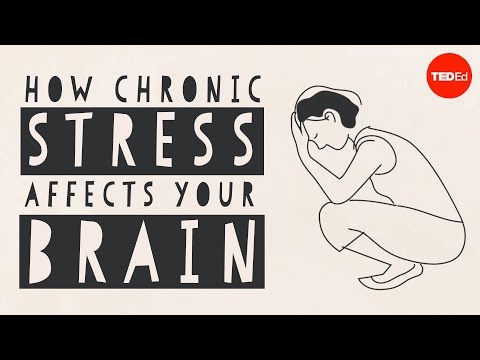
Understanding The Impact Of Stress On Your Health And Well-being

Understanding The Impact Of Stress On Your Health And Well-Being

- Importance Of Discussing The Impact Of Stress On Health And Well-Being

Stress can have a significant impact on our health and well-being, both physically and mentally. It is important to discuss this impact to raise awareness and to encourage individuals to take steps to manage their stress levels. Stress can lead to a range of health issues, such as high blood pressure, heart disease, and obesity, as well as mental health issues like anxiety and depression. Furthermore, stress can affect our relationships, work performance, and overall quality of life. By discussing the impact of stress on our health and well-being, we can create a healthier and more supportive environment, promote preventative measures, and empower individuals to seek help when needed.

It's important to remember that managing stress is not a one-size-fits-all approach, and that what works for one person may not work for another. However, by having an open dialogue about the impact of stress, we can work towards creating a more understanding and supportive society.

- Thesis Statement

A thesis statement is the central point or main idea of an essay or written work. It is usually expressed in one or two sentences, and it provides the reader with a clear understanding of the topic and the writer's position on the topic. The thesis statement is typically placed at the end of the introductory paragraph, and it serves as a roadmap for the rest of the essay. A well-crafted thesis statement not only helps to guide the writing process but also helps to engage the reader and set the tone for the essay.

In short, a thesis statement is a crucial component of any successful essay or written work.

Understanding Stress

Understanding stress is important for maintaining good health and well-being. Stress can be caused by various factors including personal issues, work pressure, financial problems, and health challenges. It can affect both our physical health and mental well-being . Severe acute stress can have an immediate impact on our health and can cause symptoms such as headaches, chest pain, and stomach upset. Episodic acute stress can also affect our physical health, leading to chronic health conditions. Chronic stress, on the other hand, can significantly impact our mental well-being, causing symptoms such as anxiety, depression, or sleep problems.

Understanding the impact of stress on our health and well-being is the first step towards managing it effectively. There are various ways to manage stress, such as practicing relaxation techniques, maintaining a healthy lifestyle, seeking social support, and seeking professional help if needed. Managing stress can go a long way towards improving our overall health and well-being, and it is essential to prioritize stress reduction in our daily lives.

- Definition Of Stress

Stress is a state of mental or emotional strain that arises from difficult or challenging circumstances. There are many different causes of stress, ranging from external events like work or personal relationships to internal factors like anxiety or health problems. Chronic stress can have serious negative effects on both physical and mental health, including increased risk of heart disease, weakened immunity, and depression. It is important to identify stress triggers and find strategies to manage stress in order to promote overall health and well-being.

- Types Of Stress

Stress is a natural reaction of the body to demands, changes or threats in the environment, and it is a part of everyday life. There are different types of stress that individuals experience, such as acute stress, episodic acute stress, and chronic stress. Acute stress is a short-term event, such as a sudden deadline or an unexpected situation, that causes a rapid reaction of the body. Episodic acute stress is when a person experiences frequent acute stress events and finds it difficult to relax in between.

Chronic stress is a long-term stress that can lead to health problems and persistent feelings of anxiety and exhaustion. Understanding the different types of stress and how they affect our physical and mental well-being can help us manage stress in a healthy way.

- Common Causes Of Stress

Stress is a common experience that we all encounter in our daily lives. It is a complex phenomenon that can have many causes, both internal and external. Common causes of stress include our personal and professional lives, financial pressures, academic or work responsibilities, health issues, and societal pressures. Stress can also be caused by major life events such as job loss, divorce, loss of a loved one, or a traumatic event. It is important to identify the sources of stress in our lives so that we can find ways to manage and reduce it.

If left unaddressed, stress can have negative effects on our physical and mental health, our relationships, and our overall quality of life.

The Effects Of Stress On Your Health

Stress is a common factor in everyday life that affects people of all ages and backgrounds. However, prolonged exposure to stress can have a significant negative impact on your overall health. Studies have shown that stress can increase the risk of heart disease, negatively affect cognitive performance and productivity in the workplace, and even contribute to mental health issues like anxiety and depression. Additionally, stress can affect your physical health by changing your cortisol levels, which in turn can affect your immune system, sleep patterns, and even appetite.

It is important to identify sources of stress and develop healthy coping mechanisms to reduce the negative effects on your health. This can include practices like meditation, exercise, and seeking social support. Knowing the potential effects of stress on your health is essential to taking control of your well-being and living a healthier life.

- Physical Effects Of Stress

Stress can have a significant impact on the body, both physically and mentally. In terms of physical effects, stress can cause a range of symptoms and health issues. When the body perceives a threat, the sympathetic nervous system is activated, leading to an increase in heart rate and blood pressure. Over time, this prolonged state of arousal can lead to cardiovascular problems, such as heart disease and stroke. Stress can also weaken the immune system, making it more likely that an individual will get sick.

Additionally, stress can exacerbate existing conditions such as headaches, digestive issues, and chronic pain. Long-term stress can also affect sleep quality, leading to fatigue and decreased cognitive function. Overall, it is important to manage stress effectively to prevent these physical effects and maintain optimal health. Strategies such as exercise, mindfulness, and seeking support from others can help reduce the impact of stress on the body.

- Mental Effects Of Stress

Stress can have a significant impact on mental health, often leading to a range of negative effects. Individuals who are exposed to chronic stress may experience symptoms of anxiety, depression, and mood swings. In some cases, stress can also lead to post-traumatic stress disorder (PTSD) or other mental health problems . It can also reduce cognitive performance and lead to memory and concentration problems. Stress may also trigger physical symptoms such as headaches, fatigue, and sleep disturbances, which can further exacerbate mental health problems.

Therefore, it is essential to identify situations that cause stress and develop effective coping strategies to manage its psychological impacts on mental health .

- The Connection Between Stress And Illness

Stress is a natural part of life and can sometimes be motivating, but it can also have negative effects on our health when it becomes chronic. When the body is exposed to stress for an extended period of time, it can cause a range of health problems, including heart disease, mental health issues, and illnesses related to immune system function. Chronic stress can cause a range of symptoms, including decreased energy, decreased sleep, anxiety, anger, and depression, as well as forgetfulness and impatience.

It is important to manage stress in healthy ways, such as through exercise, meditation, and social support, to reduce the risk of stress-related illnesses. By understanding the connection between stress and illness, we can take steps to reduce our stress levels and improve our overall health and well-being.

The Effects Of Stress On Your Well-Being

Stress is an unavoidable part of life and can manifest in many forms, whether it be job pressures, financial worries, or personal relationships. Although some degree of stress can be motivating and beneficial in certain situations, prolonged or chronic stress can have detrimental effects on your well-being. Long-term exposure to stress can weaken the immune system, increase blood pressure, and increase the risk of heart disease. It can also lead to mental health issues such as depression, anxiety, and burnout.

Additionally, stress can negatively affect sleep quality, energy levels, and relationships. Therefore, it's important to find healthy ways to manage stress and prioritize taking care of your mental and physical health. This can include activities such as exercise, mindfulness, socializing, and seeking professional help when needed. By being more aware of the effects of stress on your well-being and taking proactive steps towards managing it, you can improve your overall quality of life and lead a happier and healthier existence.

- The Impact Of Stress On Emotional Well-Being

Stress can have a significant impact on emotional well-being. In today's fast-paced world, stress is all too common and can come from a variety of sources, including work, relationships, and financial concerns. Whether it's acute or chronic, stress can lead to feelings of anxiety, irritability, and even depression. It can affect your ability to concentrate and make decisions, and can also impact your sleep and eating habits. Long-term exposure to stress can also lead to physical health problems, such as heart disease and high blood pressure.

Therefore, it is important to take steps to manage stress and prioritize emotional well-being. This can include activities like exercise, mindfulness, spending time with loved ones, and seeking professional help when needed. By taking care of emotional well-being and managing stress, individuals can improve their overall quality of life.

- The Impact Of Stress On Social Well-Being

The impact of stress on social well-being is a significant concern for many individuals. Stress is a natural response to challenging situations, but it can also have negative effects on mental and physical health. When stress is persistent, it can lead to social isolation, depression, and anxiety. Stress can also affect relationships, often causing tensions and misunderstandings between friends, family members, and colleagues. It can also lead to reduced performance at work or school, which can in turn lead to additional stress.

Therefore, it is important to find ways to manage stress effectively, such as engaging in physical activity or meditation, seeking support from loved ones, and maintaining healthy habits like getting enough sleep and eating a balanced diet. By managing stress, individuals can improve their social well-being and enjoy happier and healthier lives.

- The Impact Of Stress On Occupational Well-Being

Stress is an inevitable part of the workplace, and its impact on occupational well-being can be significant. When stress levels become too high or persist over a prolonged period, they can have negative consequences on the physical and mental health of employees. Workplaces that do not address stress can experience decreased productivity, increased absenteeism, and higher turnover rates as employees experience burnout and fatigue. Furthermore, stress can also affect job satisfaction and lead to poor work performance, strained relationships with colleagues, and decreased quality of life.

It is essential for employers to recognize the effects of stress and implement strategies to manage and reduce it in the workplace. This can include providing support services, encouraging a healthy work-life balance, offering stress management training, and creating a positive workplace culture. By addressing stress and promoting occupational well-being, employers can create a healthier, more productive, and more satisfied workforce.

Coping With Stress

Stress is a common experience for many people, and it can manifest in different ways. When we face stressful situations, it is important to find healthy ways to cope with the feelings, thoughts, and physical reactions that arise. Coping with stress involves recognizing the sources of stress, learning to manage and reduce the impact of stress, and building resilience to better handle future stressors. Some effective coping strategies include exercise, relaxation techniques such as meditation or deep breathing, talking to supportive friends or professionals, engaging in hobbies or activities you enjoy, and practicing self-care.

By finding healthy ways to cope with stress, we can improve our overall well-being and lead healthier, happier lives.

- Self-Help Strategies For Stress Management

Stress is a common experience that affects individuals in many different ways. It can be caused by a variety of factors, such as work pressure, relationship problems, financial difficulties or health issues. However, there are self-help strategies that can be used to manage stress and promote a more balanced and healthy lifestyle. These may include relaxation techniques like deep breathing, mindfulness, or meditation. Regular exercise and a healthy diet can also help reduce stress levels and promote overall wellbeing.

Sometimes talking to a friend, family member, or mental health professional can be beneficial as well, providing a supportive outlet to discuss the causes and effects of stress, as well as developing coping mechanisms. Practicing self-care, such as setting realistic expectations, saying no when needed and spending time engaging in activities that bring joy and relaxation, can also be effective in stress management. By taking a proactive approach to managing stress and utilizing these strategies, individuals can better handle stress and experience a more fulfilling life.

- Seeking Professional Help For Stress Management

Stress is a common problem that can affect anyone, and it can have a serious impact on both mental and physical health. While there are many strategies for managing stress, sometimes it can be difficult to cope on your own. In such situations, seeking professional help may be an effective solution. Professional help for stress management can come in many forms, including therapy, counseling, and coaching. These professionals can help you identify the sources of your stress and develop effective coping strategies.

They can also provide you with the support and guidance you need to manage your stress more effectively. Seeking professional help for stress management is nothing to be ashamed of – in fact, it can be a sign of strength and a proactive step towards improving your well-being. Remember, it's never too early or too late to seek help for stress management, and there are many resources available to help you get started.

Conclusion

In conclusion, the impact of stress on your health and well-being is significant. Chronic stress can lead to a variety of physical and mental health problems, including cardiovascular disease, obesity, anxiety, and depression. While occasional stress is a normal part of life, it is important to recognize when stress becomes chronic and take steps to manage it. Strategies such as regular exercise, mindfulness meditation, reaching out to supportive friends and family, and seeking professional help when needed can all be effective ways to reduce stress and promote overall health and well-being.

By taking care of ourselves and managing stress effectively, we can improve our quality of life and enjoy better health for years to come.

- Recap Of The Impact Of Stress On Health And Well-Being

Stress can have a significant impact on our overall health and well-being. Whether it's short-term or chronic, stress can affect both our mental and physical health. Episodic acute stress, which is characterized by repeated episodes of acute stress, can lead to headaches, muscle tension, and even depression. Chronic stress, on the other hand, can lead to more serious health problems such as heart disease, high blood pressure, and a weakened immune system. In addition to these physical health effects, stress can also impact our mental well-being, causing anxiety, irritability, and difficulty sleeping.

It is important to recognize when we are experiencing stress and take steps to manage it, such as through exercise, relaxation techniques, and seeking support from friends, family, or a mental health professional. By prioritizing our well-being and managing stress effectively, we can better protect our overall health and live happier, more fulfilling lives.

- Importance Of Stress Management For Overall Well-Being

Stress is a common experience in our lives, but when it becomes chronic and unmanaged, it can negatively affect our overall well-being. Therefore, stress management is important for maintaining good physical and mental health. Chronic stress can lead to physical symptoms such as headaches, muscle pain, and gastrointestinal problems, as well as mental health issues such as anxiety and depression. Implementing stress management techniques such as regular exercise, mindfulness meditation, and spending time with loved ones, can have positive effects on overall health and well-being.

Additionally, employers can promote awareness about the importance of stress management and offer programs and resources to help their employees effectively manage stress in the workplace . It's important to prioritize stress management to promote good health and a better quality of life.

Akhir Kata

Stress can have a significant impact on our overall health and well-being. While stress is a natural response to challenging situations, prolonged or chronic stress can have adverse effects on various aspects of our health, including our physical, emotional, and mental well-being. Stress can lead to a wide range of health problems, such as heart disease, chronic pain, depression, anxiety, and insomnia. Therefore, it is essential to recognize the signs and symptoms of stress and take proactive steps to manage and reduce our stress levels.

Some effective ways to reduce stress include practicing mindfulness, regular exercise, getting enough sleep, and seeking support from friends, family, or a mental health professional. Overall, by understanding the impact of stress on our health and well-being, we can take better care of ourselves and live a healthier, happier life.

The Ultimate Guide To Stress Management

The Ultimate Guide To Stress Management


Stress is a common experience that many people face in their daily lives. Whether it's work, school, or other responsibilities, stress can have a negative impact on our mental and physical health. That's why it's important to have effective strategies for managing stress. The Ultimate Guide to Stress Management provides valuable tools and techniques that can help individuals cope with stress and improve their overall well-being. These strategies include relaxation techniques such as deep breathing and progressive muscle relaxation, laughter therapy, time management skills, and listening to music.

In addition, involving workers in identifying and controlling hazards in the workplace can reduce stress levels. Whether it's for personal or professional reasons, taking steps to manage stress can lead to a happier and healthier life.

Understanding Stress

Stress is a natural part of life and can be caused by a variety of situations, both positive and negative. Understanding what stress is and how it affects our bodies is the first step in managing it. The ultimate guide to stress management includes a wide range of techniques that can help reduce stress levels, such as deep breathing, progressive muscle relaxation, and body scan exercises. Additionally, incorporating laughter, music, and time management skills into your daily routine can also help alleviate stress.

It's important to involve workers and prioritize their safety and health in the workplace, including managing stress levels. Improving self-esteem can also play a role in managing stress, as it can make it easier to handle difficult situations. With a combination of these techniques and a positive attitude, it is possible to lead a more relaxed and fulfilling life.

- Define Stress

Stress is a natural psychological and physical response to the demands of life. It is a feeling of emotional or physical tension caused by various factors such as work, relationships, financial issues or health problems. Stress can be experienced in varying degrees and can affect an individual in different ways, including mood changes, anxiety, headaches, muscle tension, and fatigue. While some level of stress can be beneficial and motivating, excessive or chronic stress can have negative effects on physical and mental health.

Understanding and managing stress is important for maintaining a healthy and balanced life.

- Explain Different Types Of Stress

Stress is a common experience that affects individuals in various ways. Different types of stress can manifest in our lives, and understanding their differences can be helpful in managing them effectively. One type of stress is acute stress, which typically arises from sudden or unexpected events such as narrowly avoiding a car accident. Another type of stress is chronic stress, which results from long-term exposure to stressors, such as work-related or financial stress. This type of stress can lead to negative health effects such as high blood pressure and increased risk for heart disease.

Lastly, there is also episodic acute stress, which results from repeated exposure to acute stressors. This type of stress is often experienced by individuals who have high-pressure jobs or find themselves in frequent high-stress situations. Understanding the different types of stress can help individuals identify and manage stress in their lives.

- Discuss The Physical And Psychological Effects Of Stress

Stress is a common experience that we all face at some point in our lives. However, excessive and prolonged stress can have negative physical and psychological effects on an individual. Physically, stress can lead to increased heart rate, blood pressure, and cholesterol levels, which can increase the risk of developing heart disease. Additionally, stress can weaken the immune system, making individuals more susceptible to illnesses and infections. Psychologically, stress can lead to feelings of anxiety, depression, and irritability.

Chronic stress can also impair cognitive function, such as memory and concentration, making it difficult to perform daily tasks. In extreme cases, stress can even lead to burnout, which is characterized by feelings of exhaustion, cynicism, and reduced professional efficacy. Therefore, it is essential to recognize and manage stress to prevent negative physical and psychological effects. Different coping strategies, such as mindfulness, exercise, and seeking social support, can help individuals manage stress more effectively and maintain good physical and mental health.

Identifying Stress Triggers

Identifying stress triggers is an important step in managing stress. Stress can be caused by a wide range of factors, such as work-related issues, personal relationships, financial problems, or health concerns. By identifying the specific triggers that cause stress in your life, you can take steps to reduce or avoid them. This might involve making changes to your work schedule, setting boundaries in your personal relationships, practicing relaxation techniques, or seeking professional help if needed.

Some common signs of stress include physical symptoms like headaches or digestive problems, as well as emotional symptoms like irritability, anxiety, and depression. If you are experiencing any of these symptoms, it is important to take them seriously and seek support. Identifying your stress triggers can help you take control of your stress levels and improve your overall well-being.

- Discuss Common Stress Triggers

Stress is a natural response of the body to any change that requires an adjustment or response. It can help us stay alert, focused and motivated, but long-term exposure to stress can have negative effects on our health. Understanding and identifying common stress triggers can help us to better manage and mitigate stress in our lives. Some common stress triggers include work-related stress, financial difficulties, relationship issues, academic pressure, health problems, overcommitment, environmental factors, and major life changes such as moving, marriage, a new job, or the loss of a loved one.

It is important to recognize and address these triggers, as chronic stress can lead to a number of health problems such as heart disease, obesity, and mental health concerns like anxiety and depression. Therefore, learning healthy coping mechanisms and self-care strategies can help to reduce the impact of stressors and improve overall well-being.

- Provide Tips On How To Identify Personal Stress Triggers

Stress is a natural response to certain situations, but it can become harmful when it occurs frequently or intensely. Understanding what triggers your stress can be a crucial step in managing it effectively. One way to identify your personal stress triggers is to keep a stress diary. Write down the date, time and what was happening when you felt stressed. This can help you identify patterns in your behaviour, activities or surroundings that contribute to your stress. Pay attention to physical symptoms like headaches, muscle tension, and changes in appetite or sleep patterns.

These can also provide clues about what triggers your stress. Once you have identified your triggers, you can take steps to avoid or manage them. This can include developing coping strategies that work for you, such as deep breathing, meditation or exercise. In some cases, seeking help from a mental health professional may be necessary. Remember, managing stress is essential for maintaining good health and wellbeing.

Coping Mechanisms

Stress is a part of life, and it's essential to learn how to manage it effectively. Coping mechanisms are techniques or behaviors that individuals use to manage stress and maintain their emotional well-being. Coping mechanisms vary from person to person, and what works for one person may not work for another. Some of the most common coping mechanisms for stress management include relaxation techniques such as deep breathing, progressive muscle relaxation, and body scan meditation. Engaging in physical exercise or other physical activities, such as yoga, running or dancing, can also be helpful in reducing stress levels.

Listening to music or engaging in other enjoyable hobbies can provide a healthy distraction from stressors. Effective time management skills and prioritizing tasks can also help to reduce stress . Additionally, seeking support from friends and family or seeking professional help from a therapist or counselor can provide a much-needed outlet to cope with stress. By practicing effective coping mechanisms, individuals can better manage stress, stay healthy, and maintain a positive outlook on life.

- Discuss Healthy Coping Mechanisms Such As Exercise, Relaxation Techniques, And Mindfulness

Healthy coping mechanisms are crucial for managing stress and maintaining good mental health. There are several effective coping strategies that one can adopt to deal with challenging situations. Exercise is one such technique that can help reduce stress and release endorphins, which are natural mood elevators. Regular exercise not only improves physical health but also helps to manage symptoms of depression and anxiety. Another beneficial technique is relaxation, which involves engaging in activities such as deep breathing, meditation, yoga, or tai chi.

These practices can help to calm the mind, reduce muscle tension, and alleviate stress. Mindfulness is also an effective strategy that involves paying attention to the present moment, without judgment. Practicing mindfulness meditation and other techniques help individuals develop a sense of awareness and acceptance, which can lead to reduced stress and improved well-being. Incorporating these healthy coping mechanisms into daily life is important for promoting resilience and maintaining overall health.

- Discuss Unhealthy Coping Mechanisms And Why They Should Be Avoided

Unhealthy coping mechanisms are actions and behaviors that people use to manage stress, anxiety, or other negative emotions that are ultimately harmful to their physical and mental health. Examples of unhealthy coping mechanisms include substance abuse, overeating, self-harm, avoidance, and denial. While these mechanisms may offer a temporary relief from the negative emotions, they ultimately do more harm than good, as they do not address the underlying issue and can result in addiction, health problems, and additional stress.

Additionally, unhealthy coping mechanisms can create a cycle of negative reinforcement, making it more difficult to break the pattern of behavior over time. It is important for individuals to recognize when they are employing unhealthy coping mechanisms and to seek out healthier alternatives, such as exercise, therapy, and social support. By doing so, they can improve their mental and physical wellbeing and lead a more fulfilling life.

Time Management And Stress

Time management and stress are closely related. Poor time management can lead to increased stress levels, while effective time management can help to reduce stress. When we fail to manage our time effectively, it can lead to missed deadlines, unfinished tasks, and a sense of being overwhelmed. This can cause stress levels to rise, which can have a negative impact on our health and well-being. On the other hand, when we manage our time effectively, we can reduce our workload, prioritize tasks, and feel more in control of our schedules.

This can help to reduce stress levels and improve our overall sense of well-being. Simple time management strategies such as making to-do lists, setting priorities, and avoiding distractions can all help to reduce stress and improve productivity.

- Discuss The Relationship Between Time Management And Stress

Effective time management skills can greatly reduce stress levels, as it allows individuals to prioritize their tasks and make the most efficient use of their time. Poor time management skills can lead to a sense of overwhelm, as deadlines pile up and it becomes difficult to keep up with everything. This can cause significant stress, as the pressure to complete tasks in a timely manner can become a major source of anxiety. On the other hand, good time management skills can help reduce stress levels , as individuals are better equipped to manage their workload and achieve their goals in a timely manner.

By staying organized and prioritizing their tasks, individuals can reduce the amount of stress they experience and maintain better mental and emotional well-being.

- Provide Tips On How To Manage Time Effectively To Reduce Stress

Effective time management is not only crucial for success, but also fundamental in reducing stress levels. With busy schedules and multiple demands from both academic and personal life, it can be challenging to properly allocate time and meet deadlines. However, there are several tips that can help individuals manage their time effectively and reduce stress levels. To start, creating a weekly or daily schedule can help prioritize tasks and allocate time accordingly. Additionally, minimizing distractions such as social media and choosing a quiet and comfortable study location can facilitate better focus and time management.

Furthermore, taking breaks in between work sessions can help prevent burnout and refresh the mind. Proper time management leads to more efficient work, accomplishment of goals and ultimately reducing one's stress levels. Therefore, implementing effective time management tips in daily routines can significantly improve productivity and overall stress levels.

Building Resilience Against Stress

In today's fast-paced world, stress has become an unavoidable part of life. It can manifest in various forms, affecting our physical and mental well-being. However, building resilience against stress can help us cope with the challenges and maintain our balance. Strategies like humor, mindfulness meditation, and deep breathing can help to reduce stress and boost mood. Positive emotions are also key to building resilience, as they have a direct effect on our ability to bounce back from difficult situations.

Green buildings can promote resilience-enhancing designs, leading to the use of durable technologies, materials, and methods. Stress can even be beneficial as it enhances motivation, promotes bonding, and is a crucial part of a meaningful life. Ultimately, developing resilience against stress allows us to manage it better, leading to a more satisfying and fulfilling life.

- Define Resilience

Resilience is the ability to adapt and recover from difficult situations. It is an essential trait that helps us withstand challenging times and bounce back from setbacks. A resilient person can cope with stress and adversity, and maintain a positive attitude despite difficult circumstances. This skill is not only valuable for individuals but also for communities and organizations who need to be able to weather unexpected or difficult events. Resilience can be developed through various practices such as mental health support, physical wellness, social support, and proactive planning.

Building resilience can help us face the challenges of life with confidence and perseverance.

- Discuss Ways To Increase Resilience Against Stress Such As Positive Thinking, Social Support, And Self-Care

Resilience is the ability to cope with and bounce back from difficult situations. Stress is a common experience that can undermine resilience if left unchecked. To increase resilience against stress, there are several ways that one can adopt such as positive thinking, social support, and self-care.One way to increase resilience against stress is through positive thinking. Positive thinking involves focusing on the positive aspects of a situation and using positive self-talk. When faced with stress, it's important to shift from negative thinking to positive thinking.

This can help to reduce stress levels and enhance resilience.Another way to increase resilience is through social support. Social support includes seeking help from others, sharing experiences, and engaging in social activities. Talking to friends and family can offer comfort and provide a different perspective on a stressful situation. This support can help to improve mood, reduce stress, and build resilience.Lastly, self-care is also crucial in increasing resilience against stress. Self-care includes taking care of physical and mental health through activities such as exercise, relaxation techniques, and adequate sleep.

Engaging in self-care activities can help to reduce stress levels, which can in turn strengthen resilience.In summary, increasing resilience against stress can involve adopting positive thinking, seeking social support, and engaging in self-care activities. These practices can help to reduce stress levels and enhance resilience, allowing us to better cope with difficult situations.

Seeking Professional Help

Seeking professional help can be a valuable step in achieving success or overcoming challenges in various aspects of life, including career, relationships, and mental health. In fact, studies show that seeking help when needed can lead to better outcomes, increased well-being, and overall satisfaction. Whether it's seeking career guidance from a mentor, getting therapy for anxiety or depression, or enlisting the expertise of a consultant to help with a business venture, seeking professional help can provide valuable support and expertise to achieve your goals.

Taking that first step towards seeking professional help can be daunting, but it can lead to long-term positive changes and a brighter future.

- Discuss When Seeking Professional Help For Stress May Be Necessary

When it comes to dealing with stress, there are many strategies that we can use to try to manage and reduce it. However, in some cases, seeking professional help may be necessary. This could be the case if the stress is severe or prolonged, or if it is causing significant disruption to our everyday lives. There are many different types of professional help available, including therapy, counseling, and medication. These approaches can be tailored to the individual's needs and can help them to develop new coping strategies, manage their stress more effectively, and improve their overall well-being.

If you are experiencing stress that is impacting your daily life, it may be worth considering reaching out to a trained professional for support and guidance.

- Provide Information On Resources Available Such As Therapy And Counseling

When it comes to seeking therapy or counseling, it's important to know what resources are available to help you. Fortunately, there are a wide range of resources that are available to people who are seeking help with mental health or substance abuse issues. These resources include both traditional therapy and counseling services, as well as newer technologies such as virtual counseling, online support groups, and self-help resources.One way to find resources is to simply ask your healthcare provider for recommendations.

They may be able to provide you with a list of local facilities or providers that offer therapy or counseling for a range of conditions, from anxiety and depression to addiction and PTSD.Another option is to search online for national directories of mental health and addiction treatment services. These directories can help you find providers in your area who specialize in treating your specific condition. You can also find resources on government websites, such as the Substance Abuse and Mental Health Services Administration (SAMHSA) and the National Institute on Drug Abuse (NIDA).

Many organizations and websites offer virtual resources, such as online chat support, video conferencing, and apps that can help you track symptoms and monitor progress. Finally, there are many self-help resources available to people who are seeking to address mental health or substance abuse issues, including books, podcasts, and websites.Overall, there are a wide range of resources available to people who are seeking therapy or counseling for mental health or substance abuse issues. By taking the time to research your options and explore the resources that are available, you can find the support and treatment that you need to start feeling better.

Akhir Kata

Stress is an inevitable part of life, and learning to manage it effectively is crucial for our overall well-being. The Ultimate Guide to Stress Management offers valuable insights and practical tips for anyone looking to reduce stress and improve their quality of life.Through a combination of mindfulness techniques, cognitive behavioral therapy, and relaxation exercises, this guide provides a comprehensive approach to stress management. From identifying stress triggers to developing healthy coping strategies, readers will learn how to navigate stressful situations with greater ease and resilience.

With chapters on meditation, exercise, nutrition, and sleep, The Ultimate Guide to Stress Management offers a holistic approach to stress reduction. Whether you're struggling with work-related stress, relationship issues, or simply feeling overwhelmed by the demands of daily life, this guide is an invaluable resource for anyone looking to live a happier and more balanced life.